The project is a tribute to
the inner world of a wild
and beautiful soul.

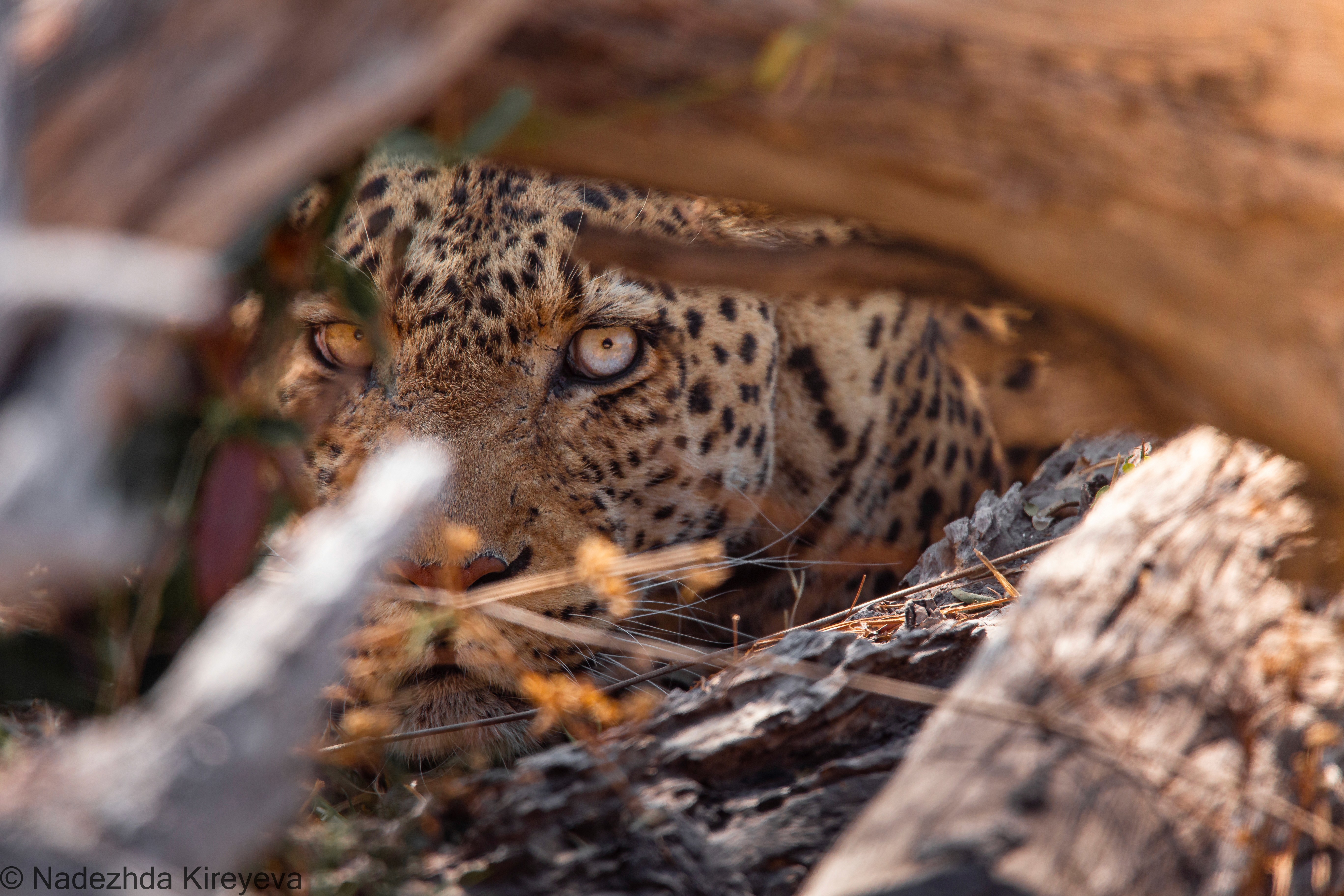
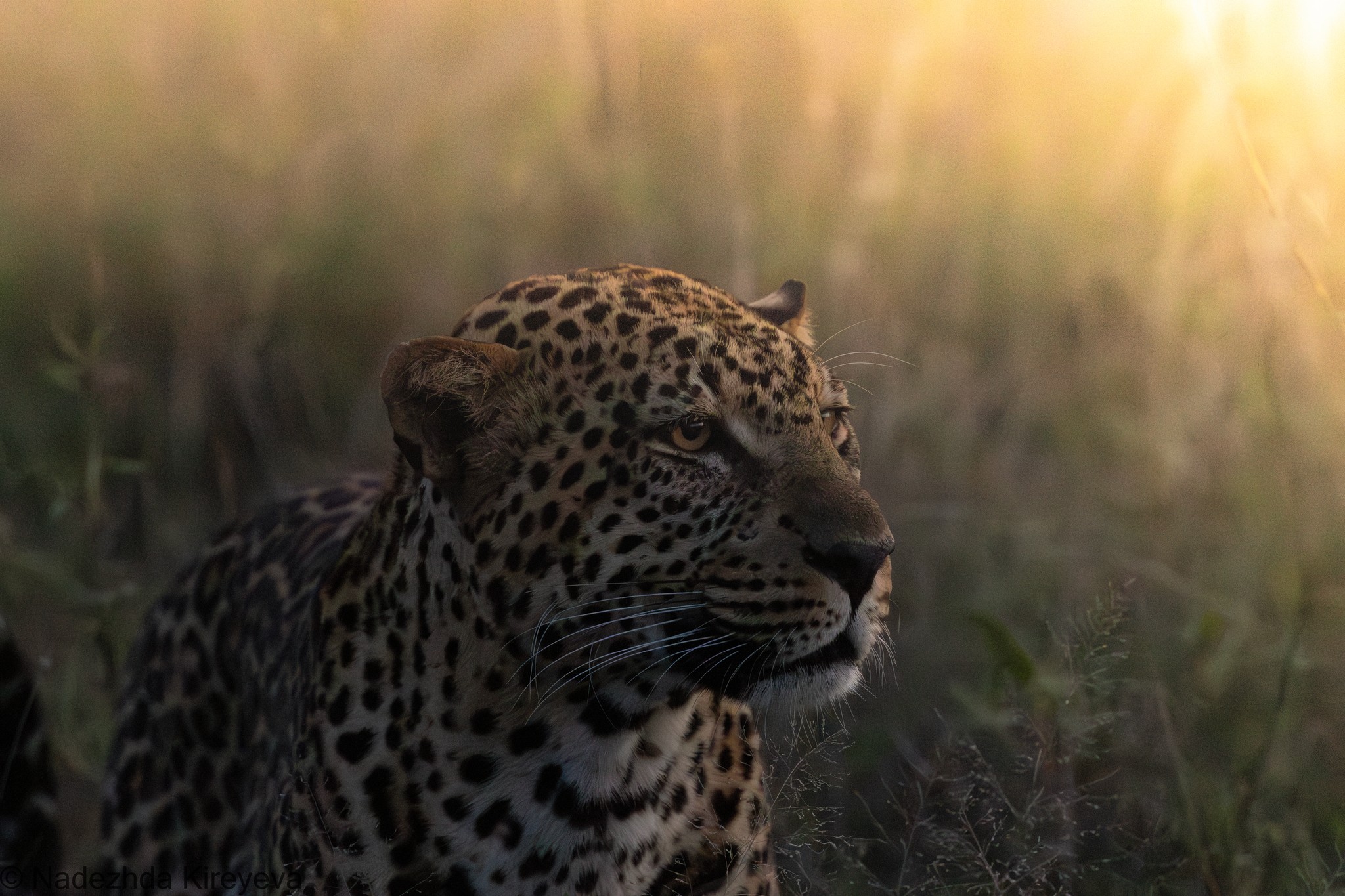
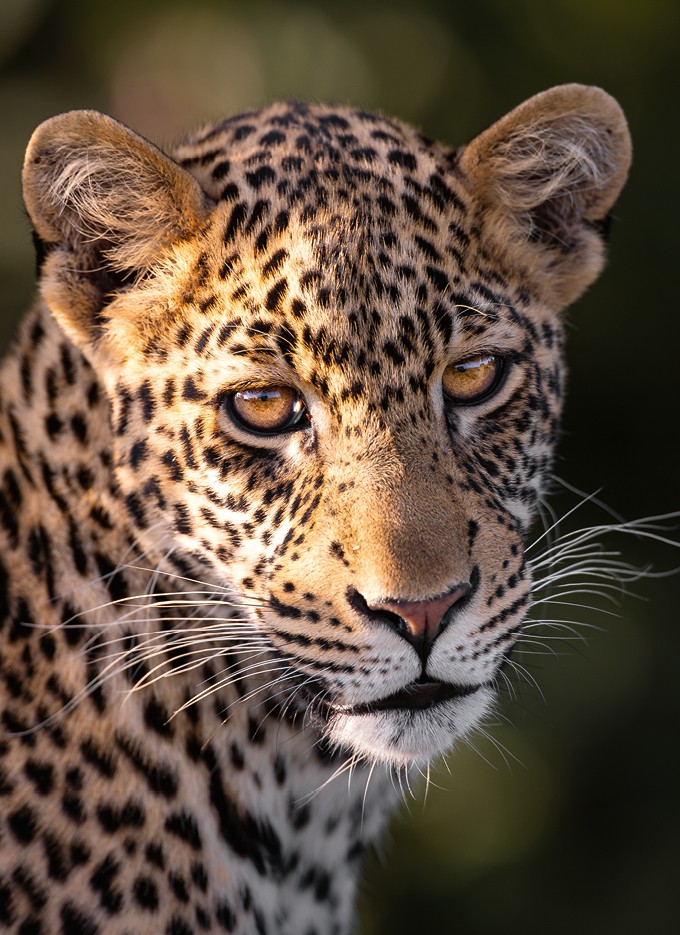
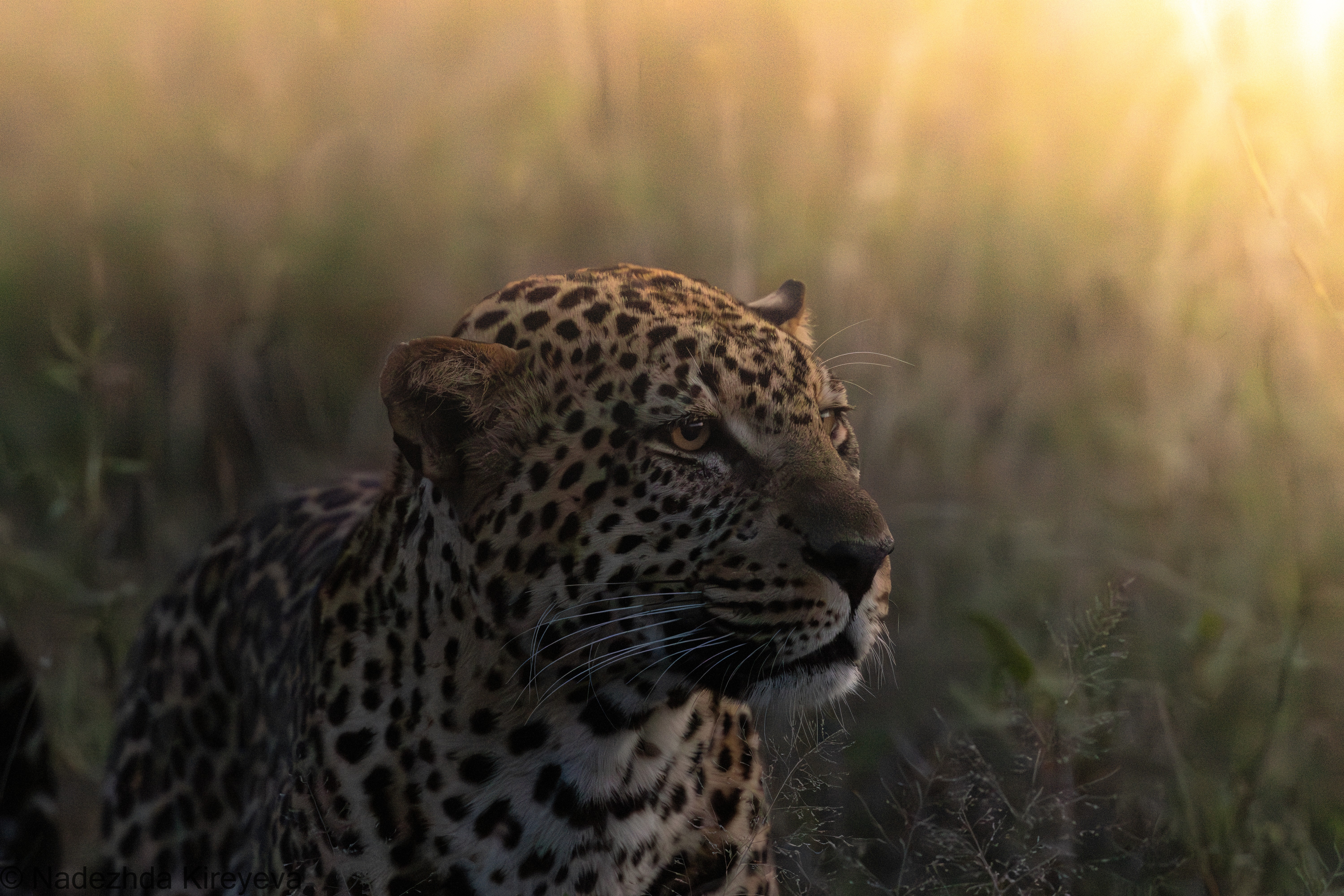
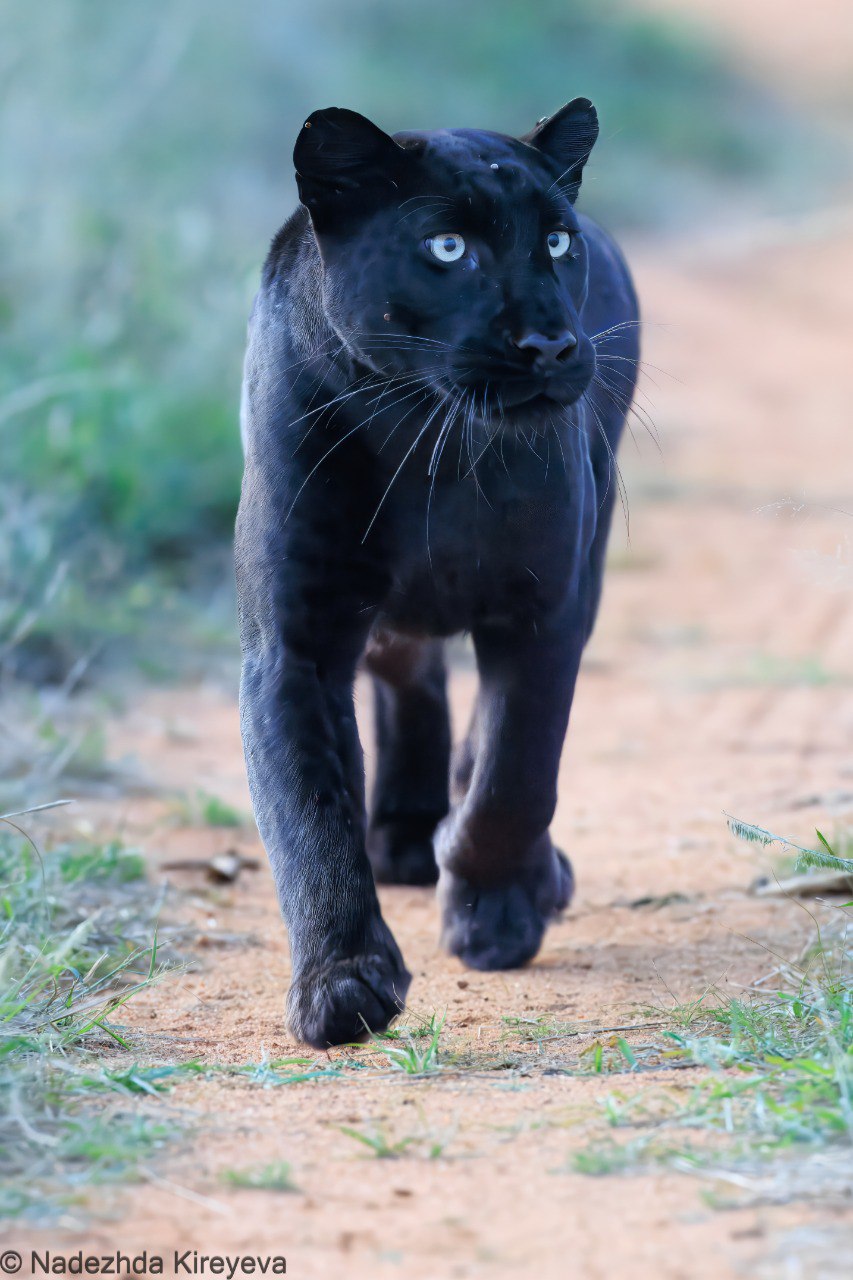
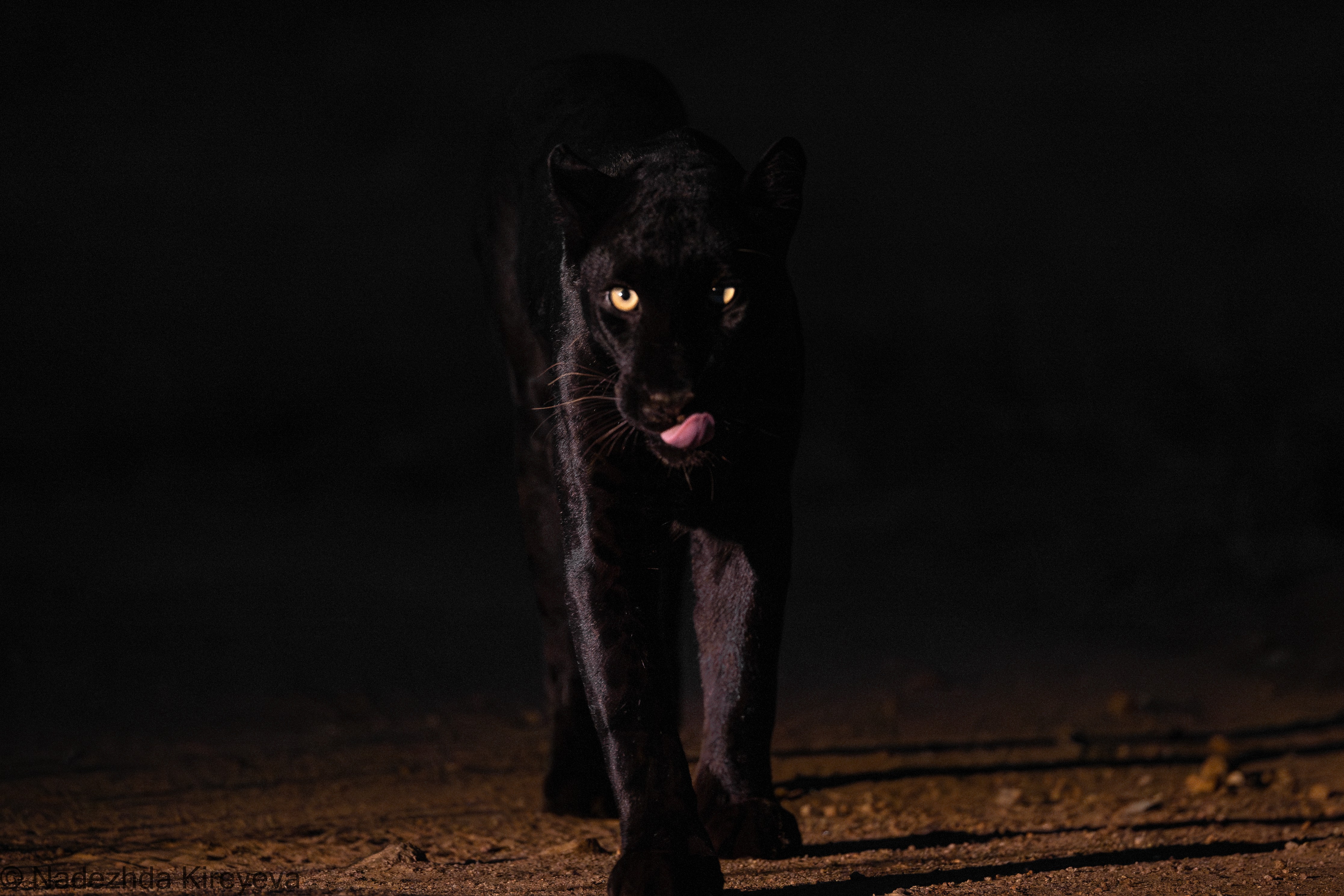
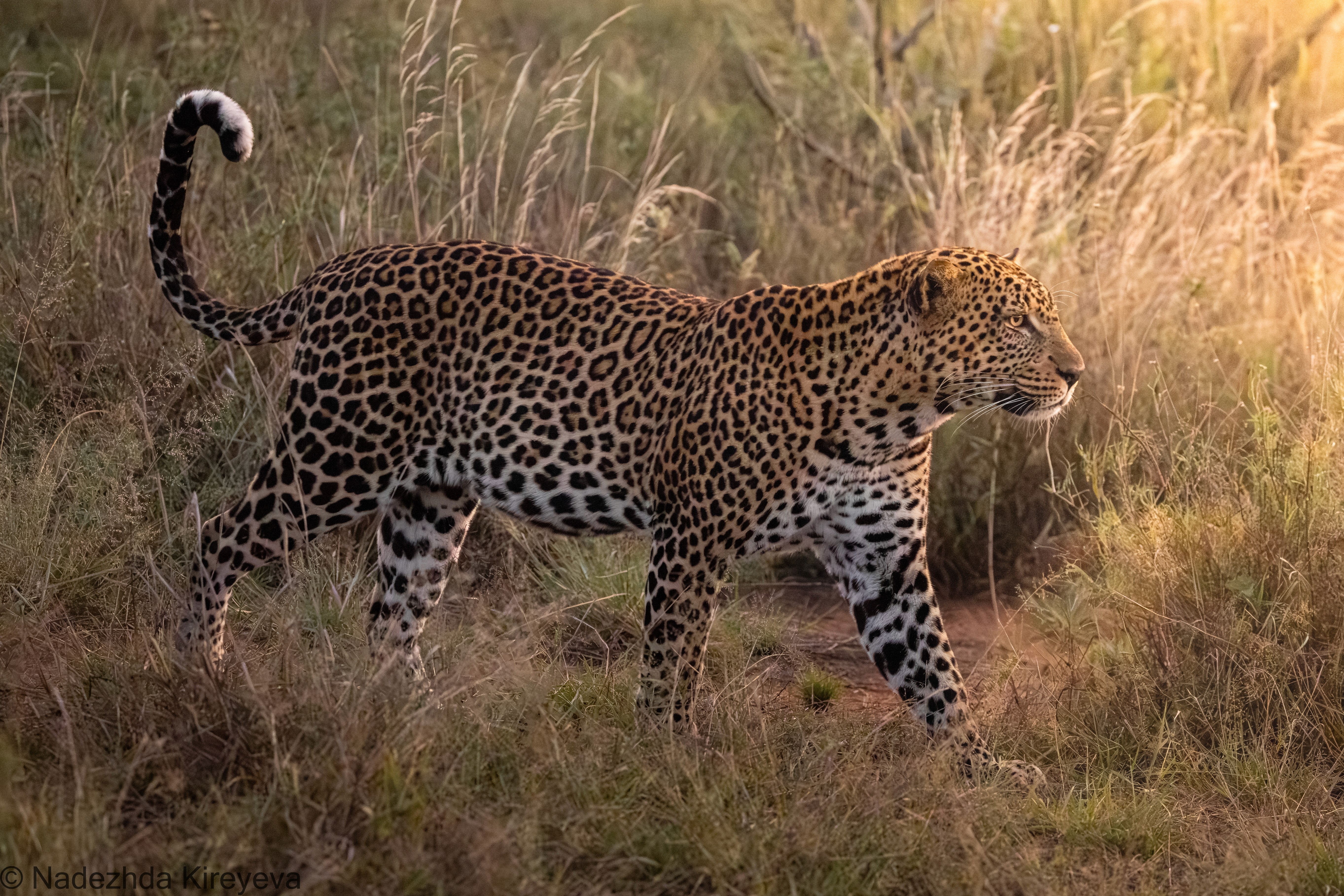
For me, the leopard is not just an animal: it is a symbol that has been with me since childhood and that I have come to know in the field in Africa, in its beauty and in its fragility.

The Sabi Sands Leopard Project and the Singita Lowveld Trust work with scientific rigor to study and protect one of the world’s best‑known and most densely populated leopard populations, turning sightings, photographs and DNA samples into meaningful data for global conservation. I have personally witnessed their commitment and transparency, and this is why I want part of the proceeds from Hunters to support these projects. In this way, my book is not just a story to read, but also a concrete way to help big cats and the ecosystems they call home

For me, the leopard is not just an animal: it is a symbol that has been with me since childhood and that I have come to know in the field in Africa, in its beauty and in its fragility.

The Sabi Sands Leopard Project and the Singita Lowveld Trust work with scientific rigor to study and protect one of the world’s best‑known and most densely populated leopard populations, turning sightings, photographs and DNA samples into meaningful data for global conservation. I have personally witnessed their commitment and transparency, and this is why I want part of the proceeds from Hunters to support these projects. In this way, my book is not just a story to read, but also a concrete way to help big cats and the ecosystems they call home

The project is a tribute to
the inner world of a wild
and beautiful soul.

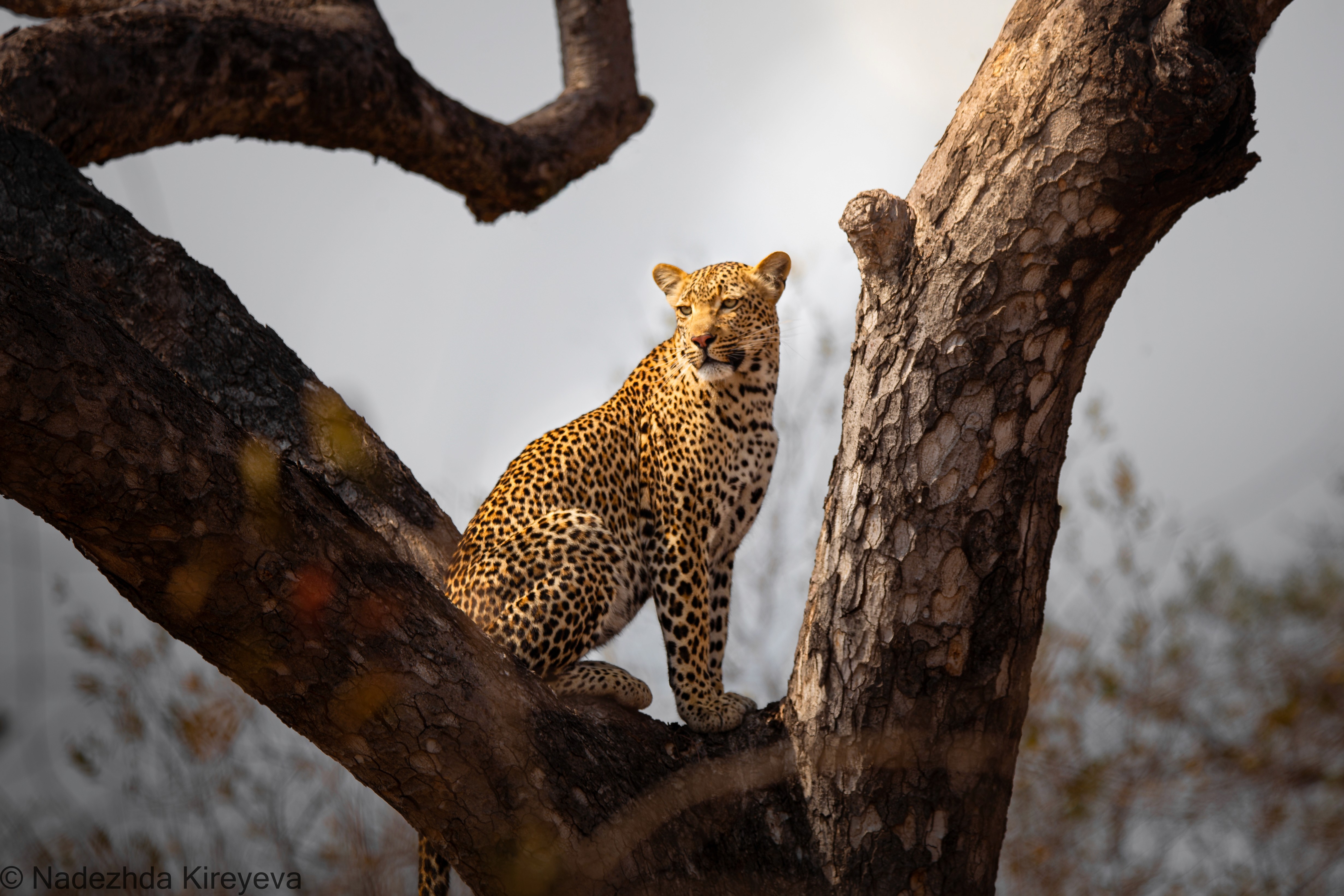
When I was a child, I used to play a game with my friends called “Which animal are you?”, and I said I was a leopard. I clearly remember that among butterflies, lemurs, tortoises, and giraffes, I was the only predator, and all the other animals were afraid of me. From that moment on, the leopard became my favorite animal. Over time, I must admit, the cheetah joined it as well. I find the leopard to be a completely and utterly magnificent animal: elegant, strong in character, incredibly beautiful and intelligent, yet at the same time elusive. It gives me a feeling of softness and elasticity, of calm and silence, wrapped in a magical and mysterious veil. Although the leopard is traditionally considered a solitary animal, over the years I have observed notable changes in its behavior. For example, a mother living together with her two adult daughters after losing her new cub, or two adult males hunting together—an interaction that is highly atypical for the species.

Because of this deep connection and my desire to better understand these dynamics, I chose to support and take part in the The Sabi Sand Leopard Project. Monitoring and estimating the population are essential to understanding how leopards adapt to territorial limitations and how they choose reproductive partners, especially considering that Sabi Sand hosts the highest concentration of leopards in the world. Understanding how they interact with one another and the hierarchical roles they develop is crucial for their conservation.

I know Singita and the Singita Lowveld Trust personally and have had the opportunity to witness their commitment to numerous wildlife conservation projects in Zimbabwe and South Africa, including initiatives to protect rhinos, leopards, and other threatened species. I have personally participated in some of these projects and witnessed the accuracy, transparency, and dedication with which they conduct every activity. Each project is managed with scientific rigor and genuine care for animal welfare and ecosystem protection. I consider them extremely reliable partners, and I am confident that the funds raised through the sale of my book can meaningfully support these initiatives, helping to protect magnificent species and make a real difference in wildlife conservation.
The Sabi Sands Leopard Project, launched in 2009, is the most extensive long-term leopard research initiative in the world. Established by Panthera to understand leopard behaviour and ecology, this project ultimately seeks to inform leopard management strategies and conservation policy at a global scale.


The Sabi Sand Nature Reserve is home to one of the highest densities of leopards found anywhere in the world. The population is stable and at capacity, and the area is well-protected, and the leopards are unusually relaxed around safari vehicles. This makes it an ideal place to study leopards and learn what makes leopard populations thrive. The project harnesses this unique behaviour to convert daily ecotourism sightings into high-quality data, critical for informing leopard ecology and conservation strategies. These learnings can be used to inform Panthera's conservation efforts in other regions where leopards are persecuted and populations are declining.

Singita Lowveld Trust partnered with Panthera in 2017 to conduct a landmark leopard density survey in the Sabi Sand, revealing an extraordinary concentration of 12.2 leopards per 100km² – the highest density ever recorded in a Panthera survey. This exceptional leopard population provides unparalleled research opportunities. Through a unique citizen science approach, Singita's field guides collect vital data by tracking the leopard population, photographing individuals and gathering DNA samples that help establish genetic lineages.


SLT supports these initiatives through actively sourcing funding for research and monitoring, as well as supporting ongoing studies contributing to leopard behaviour and anti-poaching strategies, whilst also investing in the development of tools to trace the origin of poached leopard skins. Through these collaborative efforts, SLT and Panthera are ensuring a sustainable future for these remarkable big cats and the ecosystems they inhabit.


For more detail consult: https://www.singitalowveldtrust.org/

Progetto Leopardi di Sabi Sands

Sabi Sands leopard project

Su di me

Libro Hunters

Sulla fotografia

IL Progetto Leopardi di Sabi Sands

Il mio Amore africano

Il Centro di ricerca biomedica

Termini e condizioni generali

nadezhda.kireyeva@gmail.com

nadezhda.kireyeva@gmail.com